Creating a Killer Blog Plan Example: A Step-by-Step Guide to Success
Welcome to the world of blogging, where the possibilities are endless, and the competition is fierce. In this tutorial, we'll show you how to create a solid blog plan example that will help you stand out from the crowd and attract a loyal following. By the end of this guide, you'll have a clear understanding of how to plan, create, and execute a successful blog that drives traffic, engagement, and conversions. So, buckle up and let's get started!
Step 1: Define Your Blog's Purpose and Niche - A Blog Plan Template Essential
The first step in creating a killer blog plan example is to define your blog's purpose and niche. What are you passionate about? What do you want to talk about? What problems do you want to solve for your readers? These are all important questions to ask yourself when creating a blog plan template. For example, if you're a fashion enthusiast, your niche might be fashion trends, styling tips, or product reviews. Be specific and focused, and make sure your niche aligns with your passions and expertise. 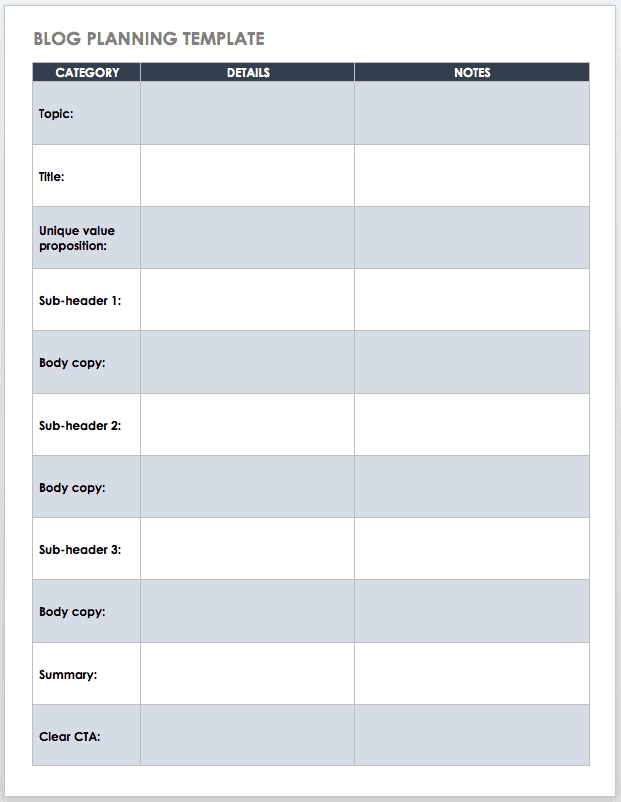
Step 2: Conduct Keyword Research - A Crucial Part of Any Blog Plan Example
Keyword research is a critical component of any blog plan example. It helps you understand what your target audience is searching for, what keywords are relevant to your niche, and how to optimize your content for search engines. Use tools like Google Keyword Planner, Ahrefs, or SEMrush to conduct keyword research and identify relevant keywords and phrases. For instance, if your niche is fashion, you might use keywords like "summer fashion trends," "winter style tips," or "best fashion blogs." Make sure to include long-tail keywords and phrases to increase your chances of ranking higher in search engine results. 
Step 3: Create a Content Calendar - A Blog Plan Example Must-Have
A content calendar is a vital part of any blog plan example. It helps you plan, organize, and schedule your content in advance, ensuring that you're consistently publishing high-quality content that resonates with your audience. Use a template or tool like Trello, Asana, or Google Calendar to create a content calendar that works for you. Include columns or fields for keywords, titles, descriptions, images, and publication dates. For example, you might plan to publish a blog post on "Summer Fashion Trends" on June 1st, followed by a post on "Winter Style Tips" on December 1st.
Step 4: Develop a Unique and Compelling Writing Style - A Key Element of a Successful Blog Plan Example
Your writing style is what sets you apart from other bloggers and makes your content unique and compelling. Develop a tone, voice, and language that resonates with your audience and reflects your brand's personality. Use humor, anecdotes, and examples to make your content more engaging and relatable. For instance, if you're writing about fashion, you might use a playful, trendy tone that's infused with personality and style. Remember, your writing style should be consistent across all your blog posts, so take the time to develop a style that works for you.
Step 5: Optimize Your Blog Posts for SEO - A Critical Component of a Blog Plan Example
SEO is crucial for increasing your blog's visibility, driving traffic, and attracting new readers. Optimize your blog posts by using relevant keywords, meta descriptions, headings, and subheadings. Use tools like Yoast SEO or All in One SEO Pack to help you optimize your content. For example, if you're writing about "Summer Fashion Trends," you might use keywords like "summer fashion," "fashion trends," or "summer style tips" in your title, meta description, and headings. Remember to also optimize your images by using descriptive alt tags and file names that include your target keywords.
Step 6: Promote Your Blog and Engage with Your Audience - A Key Part of a Successful Blog Plan Example
Promoting your blog and engaging with your audience is essential for building a loyal following and driving traffic to your site. Use social media platforms like Facebook, Twitter, Instagram, or Pinterest to promote your blog posts, share behind-the-scenes content, and engage with your readers. Respond to comments, answer questions, and use analytics tools to track your performance and adjust your strategy accordingly. For instance, you might share a sneak peek of your latest blog post on Instagram, or ask your readers for feedback on your latest article. Remember, engagement is key to building a loyal audience, so make sure to prioritize it in your blog plan example.
Step 7: Analyze and Refine Your Blog Plan Example - A Continuous Process
Finally, analyzing and refining your blog plan example is a continuous process that requires regular monitoring and evaluation. Use analytics tools like Google Analytics or Jetpack to track your blog's performance, identify areas for improvement, and refine your strategy accordingly. Look at metrics like page views, engagement, bounce rate, and conversion rate to understand what's working and what's not. For example, if you notice that your blog post on "Summer Fashion Trends" is driving a lot of traffic, you might consider creating more content around that topic or optimizing your existing content for better performance. Remember, a successful blog plan example is one that's constantly evolving and improving, so make sure to stay flexible and adapt to changes in your audience and the market.
Frequently Asked Questions:
Q: What is a blog plan example, and why do I need one?
A: A blog plan example is a roadmap that helps you plan, create, and execute a successful blog. You need one to ensure that your blog is focused, consistent, and aligned with your goals and audience.
Q: How often should I post new content on my blog?
A: The frequency of posting new content on your blog depends on your audience, niche, and goals. Generally, it's recommended to post at least once a week, but you can adjust your schedule based on your analytics and audience feedback.
Q: How do I promote my blog and increase my visibility?
A: You can promote your blog by using social media, guest blogging, collaborating with influencers, and optimizing your content for SEO. Remember to engage with your audience, respond to comments, and use analytics tools to track your performance and adjust your strategy accordingly.
Top 10 Blog Plan Templates With Examples And Samples.

Top 10 Blog Plan Templates with Examples and Samples.
How To Write The Perfect Blog Post | Blog Writing, Blog Tips, Blogging

How to Write the Perfect Blog Post | Blog writing, Blog tips, Blogging ...
Blog - 20+ Examples, PDF, How To Create
Blog - 20+ Examples, PDF, How to Create